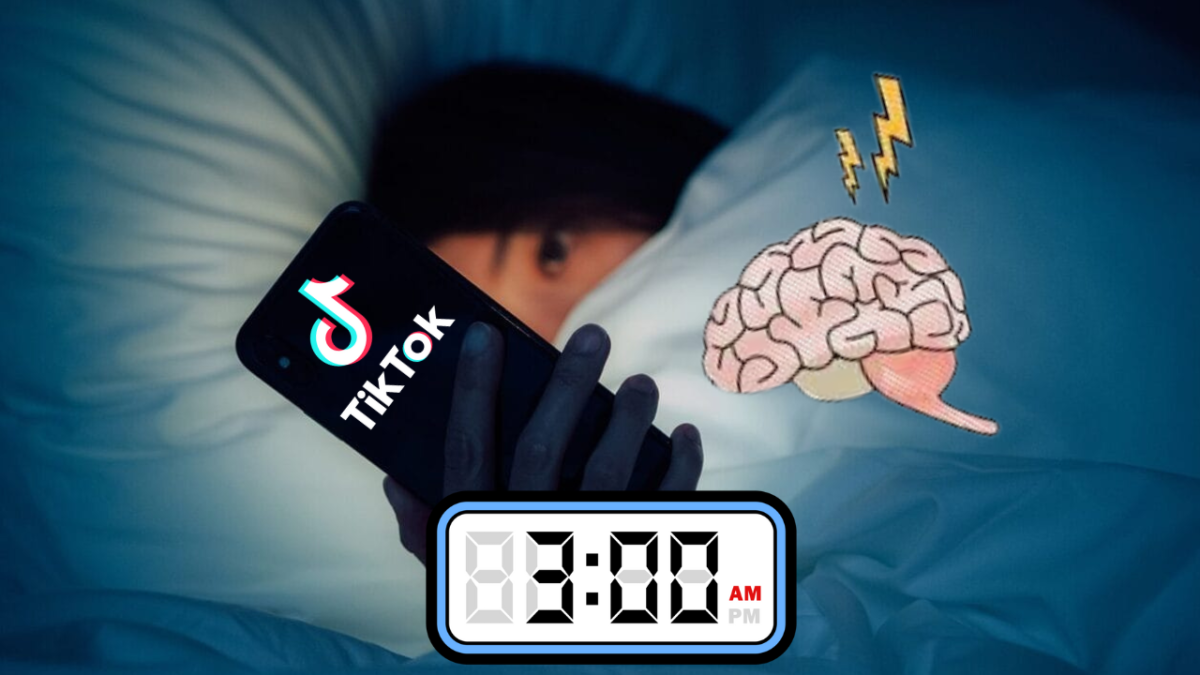
Doomscrolling is profoundly harmful to our brains, primarily due to the excessive hours we spend engaging in this behavior. This is particularly prevalent among many children and teenagers using platforms like TikTok and YouTube Shorts, a habit that frequently leads to significant sleep deprivation as they stay up late scrolling.
When doomscrolling, teens often enter a tireless, blank state where they stop active thinking. Constantly, they struggle to process or remember the content they saw moments before, leading to a profound feeling of lost time. This habit greatly increases the chances of developing anxiety, chronic stress, and even clinical depression.
Thousands of sleep schedules are disturbed because children frequently doom-scroll immediately before bed, causing an overstimulation of the brain that prevents the natural onset of sleep. This chronic lack of quality rest also significantly lowers attention spans and impairs the ability to focus and pay attention to even simple tasks.
Doomscrolling severely affects mental health by constantly exposing kids to negative content, which keeps the brain in a repeating state of panic. This constant state of alert can trigger or worsen symptoms of anxiety, depression, and panic attacks. Moreover, exposure to unrealistic social comparisons on these platforms further erodes self-esteem and body image. People frequently report that, after scrolling for hours, they experience debilitating headaches and extreme fatigue, causing them to struggle significantly with cognitive function and daily productivity.
This detrimental behavior is not exclusive to youth, as studies indicate a broad impact, with 53% of Gen Z Adults engaging in the activity and a staggering 75% of college students reporting that they doomscroll, highlighting a widespread societal issue that is destroying sleep and focus across generations. For example, many students spend hours scrolling, staying up all night, like Aaron Tyndale, whose father stated that “Doomscrolling ruined my sleep schedule and stopped me from sleeping constantly.” Another student, sophomore Javon Sampson, echoed this concern, saying “it takes up a lot of time resulting in me not getting as much sleep and being unable to focus on certain things,” demonstrating how this phenomenon is causing thousands of young people to pull all-nighters scrolling on TikTok and other platforms, severely ruining their sleep schedules and profoundly damaging their overall mental health.