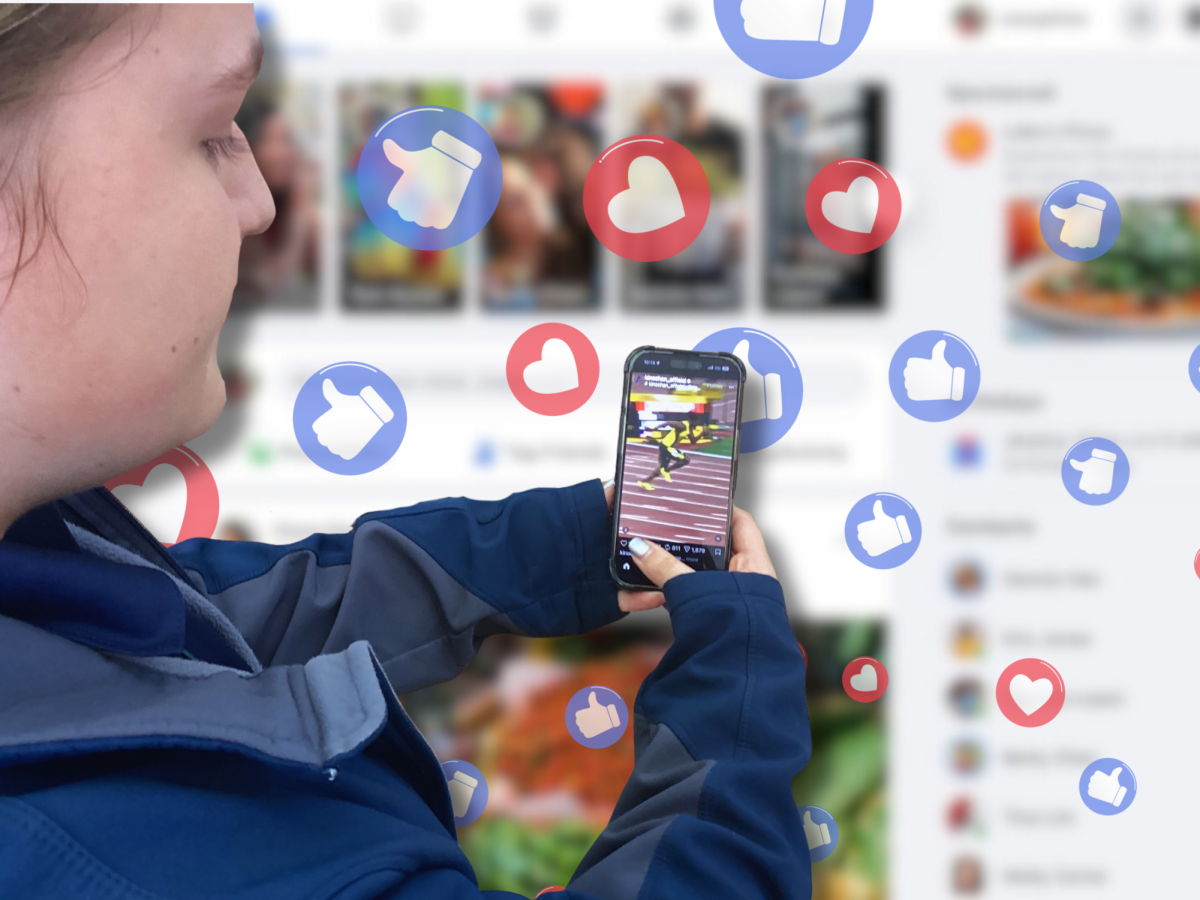
The "Like" button, that ubiquitous heart or thumb icon, has been the undisputed currency of the internet for over a decade. Originally designed to spread positivity and simplify feedback, it has morphed into a high-stakes metric that dictates self-worth and steers human behavior. While some social media platforms have experimented with hiding like counts, the time has come to consider a more radical step. Removing the "Like" entirely would allow us to reclaim our focus and mental well-being.
The fundamental problem is that the presence of a "Like" button transforms a moment of self-expression into a public performance. Instead of sharing what we find meaningful or authentic, we often share what we believe will convert into engagement. We have turned our social lives into a perpetual popularity contest, where the scoreboard never resets. This creates a feedback loop where quality is sacrificed for clickability, and nuance is buried under content designed to trigger immediate, visceral reactions.
Recent data highlights a growing crisis of validation addiction linked to these metrics. According to 2025 research from the U.S. Surgeon General, adolescents who spend more than three hours a day on social media face double the risk of experiencing symptoms of depression and anxiety. Furthermore, a 2025 survey found that 46% of teen girls reported that social media makes them feel worse about their body image. This sentiment is often driven by the quantified approval of likes on highly curated and filtered photos.
While Sophomore Delilah Hernandez Lopez says that likes should exist because "it is a show of popularity and just how the public in general likes your post," and Sophomore Aaron Tyndle believes they are important because "it shows that people care about you," this reliance on digital metrics is fundamentally flawed. Reducing human connection to a numeric score commodifies validation, tethering self-esteem to an algorithm rather than the depth of our relationships. Ultimately, prioritizing these performative tallies replaces authentic engagement with a superficial pursuit of approval that distracts from the true value of an online community.
Critics argue that likes are necessary for creators to understand their audience, but platforms could easily maintain internal analytics for growth without making those numbers public or central to the user experience. To move forward, we must stop measuring our lives in clicks. Removing the "Like" button isn't about deleting a feature; it is about restoring the human element to our digital interactions.