After four years, the Winter Olympics – officially known as Milano Cortina this time – are back and better than ever.
The 2026 Games were hosted in Italy, with some in Milan for the indoor sections and some in Cortina d’Ampezzo for the mountain and sliding events. The Olympics took place from February 6th to the 22nd. With approximately 2,900 athletes from 92 countries, there were 116 medal events to compete for.
With a new month of competition comes new advancements. Ski Mountaineering made its Olympic debut by becoming an official sport now included, with the men’s sprint, women’s sprint, and mixed relay. Gender equality has also evened out. A record-setting 47% female participation and events such as the Large Hill individual in ski jumping and women’s doubles in luge have been added to the history books.
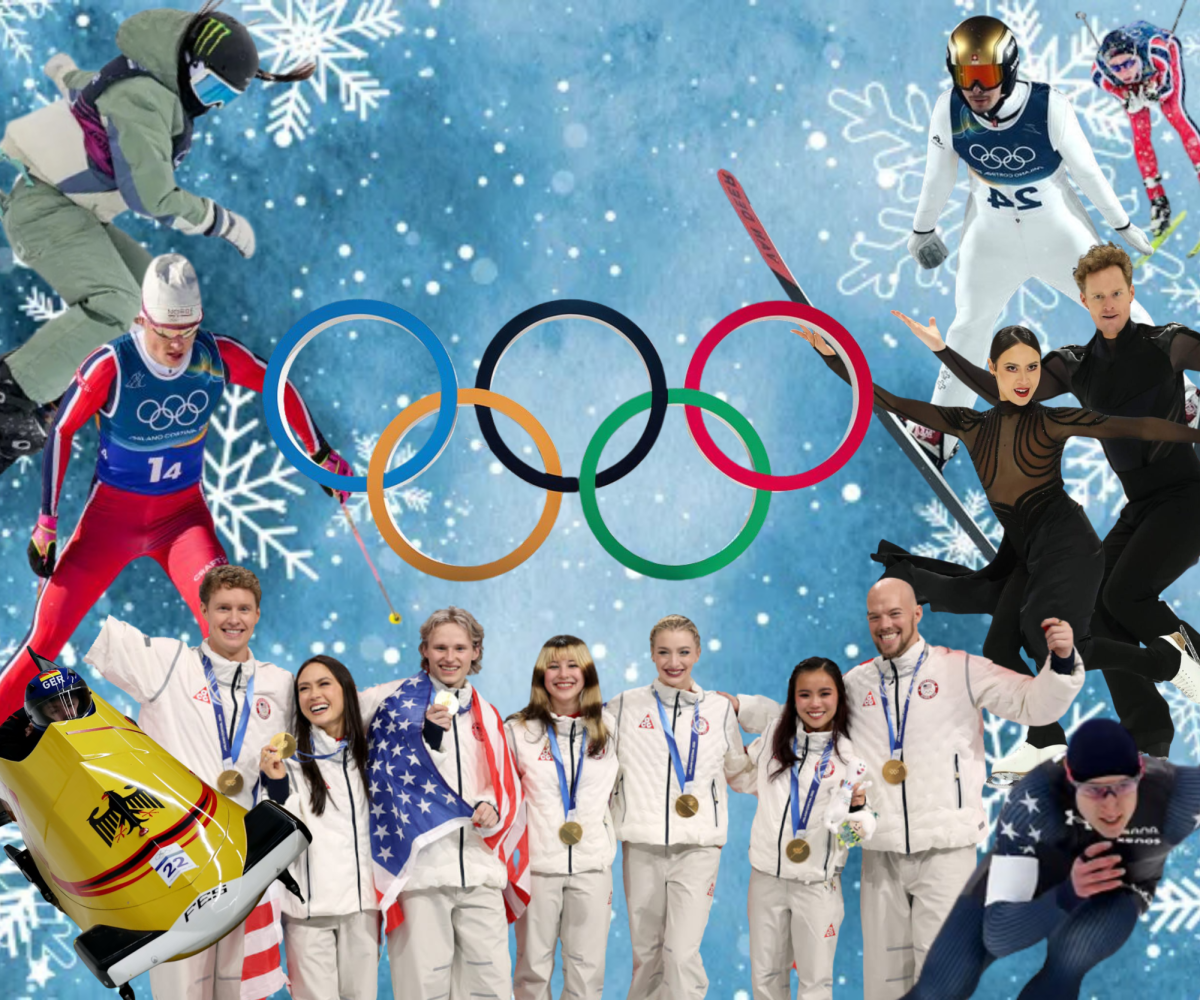
At the conclusion of the competitions, Norway came out on top with 18 gold medals, followed closely by the United States with 12, then the Netherlands and Italy both with 10.
Zooming in on our home country, the United States had many record-breaking performances. With their total of 12 gold medals, the previous American record of 10 set during the 2002 Salt Lake City Games was broken. We also medaled in 11 different sports, which was more than any other nation in the 2026 Games.
To start off the 2026 Winter Olympic Games, Breezy Johnson delivered team USA’s first gold medal in the women’s downhill. In Ice Hockey, both the U.S. Men’s and Women’s teams won gold. To continue, Alysa Liu came out of retirement and won the women’s singles gold in Figure Skating, as well as contributing to the gold in the team competition, secured by “the Quad God” Ilia Malinin. Speed Skater Jordan Stolz emerged as the most decorated American athlete of the 2026 Games, winning two gold medals in the 500m and the 1000m, which both set Olympic records, and a silver in the 1500m. After struggling in the 2022 Winter Games, Mikaela Shiffrin regained her Slalom crown by winning her third career gold. These are only some of the great achievements that the U.S. has accomplished at these Games. The list is endless and just keeps growing by the years with the future looking bright with our young and rising athletes.
But not only did the U.S. break records, but they also crushed historic milestones. Elana Meyers Taylor became the most decorated Black athlete in Winter Olympic history with six career medals after winning gold in the monobob. Laila Edwards also made history as the first Black American woman to win an Olympic medal by contributing her efforts to the gold-winning ice hockey team.
Being located in the Eastern Time Zone, viewing the Games consisted of early mornings to early afternoons, with some events taking place before most of us were even awake. But fear not, as there were recaps on important moments in each sport capturing our favorite athletes.
With most of the students and teachers at Coral Springs Charter being in school, these recaps are what kept us in the loop of what was happening and made the Games easy to follow by only reporting on the influential events. Junior Tanvi Yadav said that the recaps made it easy for her to be updated on her favorite sports and even introduced her to some she has never seen before. In addition, junior Ashleigh Michel also mentions how she could select which sport she wanted to view, which is how she watched the Figure Skating events.
No matter when you viewed the 2026 Winter Olympics, everyone was always updated with the current situations and standings at all times.
With the Winter Olympics coming to an end, the extravagant closing ceremony ends it all. Performances of opera and ballet dazzled the crowd and paid tribute to Italy’s artistic heritage, setting the stage for the ceremony.
With the key moment of the night being the transition from the current host to the next, Italy did not disappoint. The mayors of Milan and Cortina d’Ampezzo handed the Olympic flag over to the presidents of the Provence-Alpes-Côte d’Azur and Auvergne-Rhône-Alpes regions for the 2030 Winter Olympic Games taking place in the French Alps.
To close out the night, a high-energy atmosphere took over as pop and dance performances gave the ceremony a festival-like feeling, along with international stars contributing. The ceremony finally concluded with the extinguishing of the Olympic flame in both the Milan and Cortina d’Ampezzo locations.