
“We are going to run the country,” declared President Donald J. Trump. As headlines began to flash across screens about the U.S. involvement in Venezuela and the renewed interest in Greenland, two areas thousands of miles apart suddenly joined together into the same foreign policy conversation: Trump’s. From a South American nation rich in oil and political turmoil to the icy Arctic of Greenland, President Trump’s approach to acquiring these regions have sparked debate on America’s priorities in the North Atlantic theatre.
For years, the United States has criticized the leadership of Venezuelan president Nicolas Maduro, citing the economic instability of the nation. Before Maduro, Venezuela was one of the wealthiest countries in South America producing 3.1 million barrels of oil in 1998. Now? Venezuela only produces about 810,000 barrels, drastically dropping their Gross Domestic Product (GDP) from $94.1 billion to $42.6 billion respectively.
Recent actions though by the Trump administration have intensified international attention on the country. Supporters may argue that stronger U.S. involvement will help stabilize Venezuela. On the other hand, critics warn that direct involvement in another country’s domestic issues could escalate tensions across Latin America.
For students studying history and politics, the situation offers a real-world example of the complicated balance between national interests and international diplomacy.
At the same time, Trump’s administration has revived discussions about the United States potentially acquiring Greenland. Although the discussion dates back to 1867 following the Alaska purchase, the thought had been far forgotten until President Trump rekindled the idea due to the island’s strategic location and natural resources.
Greenland’s leaders and Danish officials have repeatedly said the island is not for sale.
Although decisions about foreign policy are made in Washington, their effects reach communities across the United States, even high school communities in Coral Springs. In South Florida, where many of our friends have ties to Latin America, the situation can feel extremely personal.
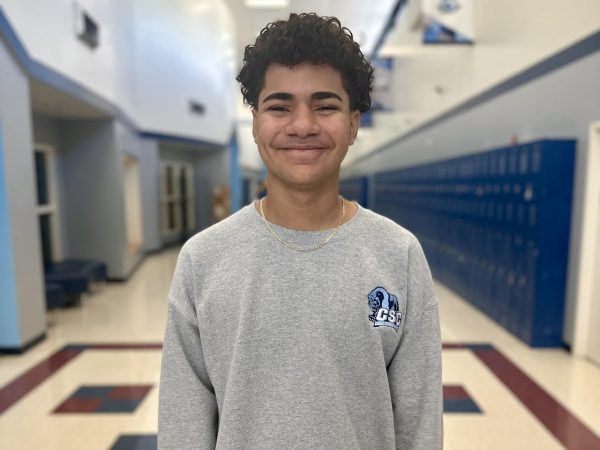
“I think a lot of people assume foreign policy doesn’t affect them,” said junior Khiara Grandez. “Some of our friends have left Venezuela and even have family that still live there, so imagine how they feel.”
As debates about Venezuela and Greenland continue, students are finding out that global politics is not just something they read about in textbooks. It is an ongoing story that shapes people’s lives, right here in this very building.