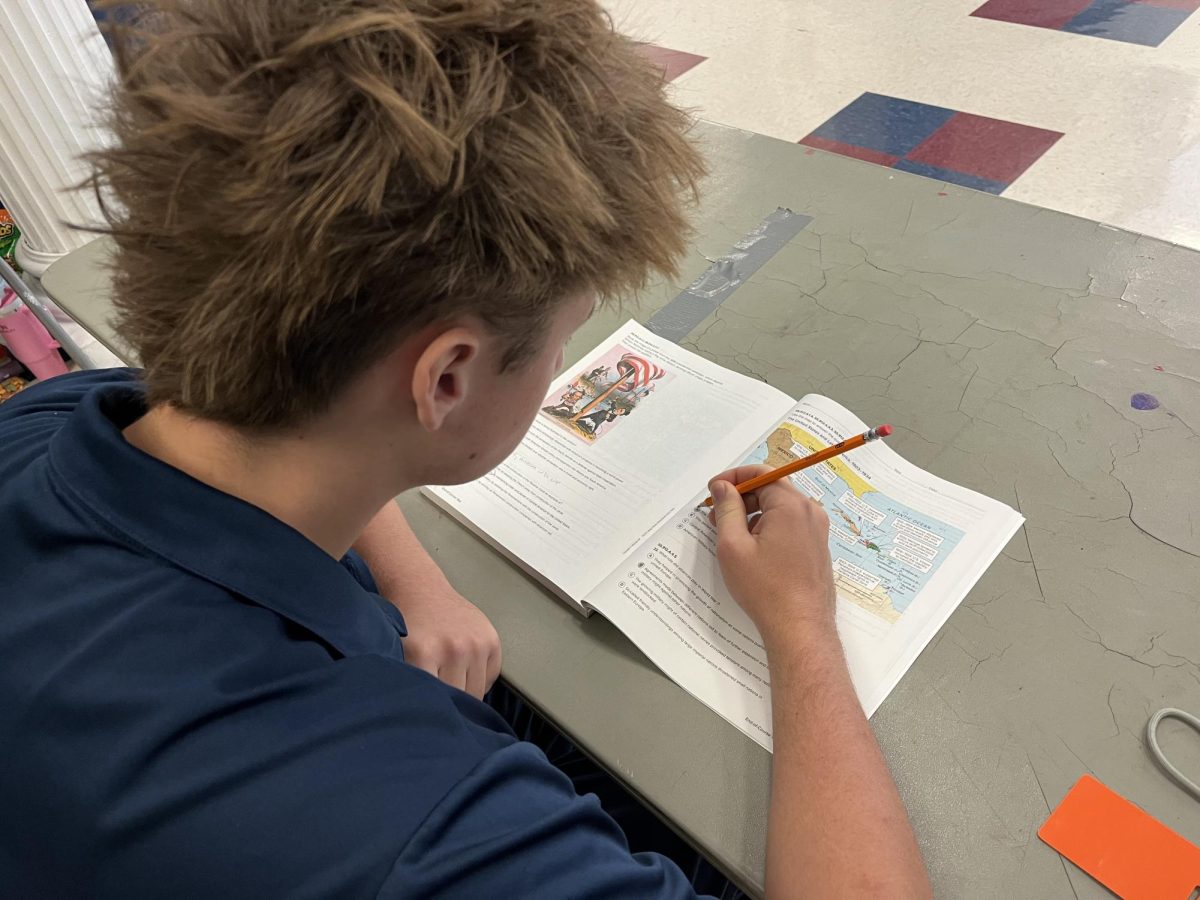

As exam season approaches, cambridge students across our school face the same challenge. What is the most effective way to study? While some rely on flashcards and repetition, others prefer group discussions, practice tests or handwritten notes.
For years, many students were taught to believe “learning styles,” such as auditory, visual, or tactile, was the best way to learn, but researchers found that this theory lacks strong scientific evidence. They found that these differences are not just preferences but reflections on how learning and memory function differently between people.
“There is no adequate evidence base to justify incorporating learning-styles assessments into general educational practice,” researchers Harold Pashler, Mark McDaniel and others wrote in a study published in Psychological Science in Public Interest. Psychologists like him argue that effective studying depends on strategy, not “learning style.”
One of the most widely supported methods is known as active recall. Rather than rereading notes repeatedly, students actively test themselves on information they need to remember using flashcards or other methods.
“Personally, when I look at notecards, it forces me to make sure I actually understand,” said junior Sarah Olivares. Research published in Educational Psychology Review found that active recall consistently improves long-term retention across a wide range of subjects and age groups.
Another highly effective technique is spaced repetition, which involves reviewing material, then taking a break over a period of time, and repeating instead of cramming shortly before an exam. Research from Nature Reviews Psychology found that spacing study sessions apart and repeatedly retrieving information are among the strongest evidence-based learning techniques available.
Study environments were found to also have a major influence on performance. Some students concentrate better in silence, while others work more effectively with background music or ambient noise. Sleep also plays a critical role in memory formation. Studies show that sleep helps engrave information learned throughout the day, while sleep deprivation can harm concentration and recall.
“When I’m tired I feel like I can’t learn anything,” said sophomore Eva Ramos.
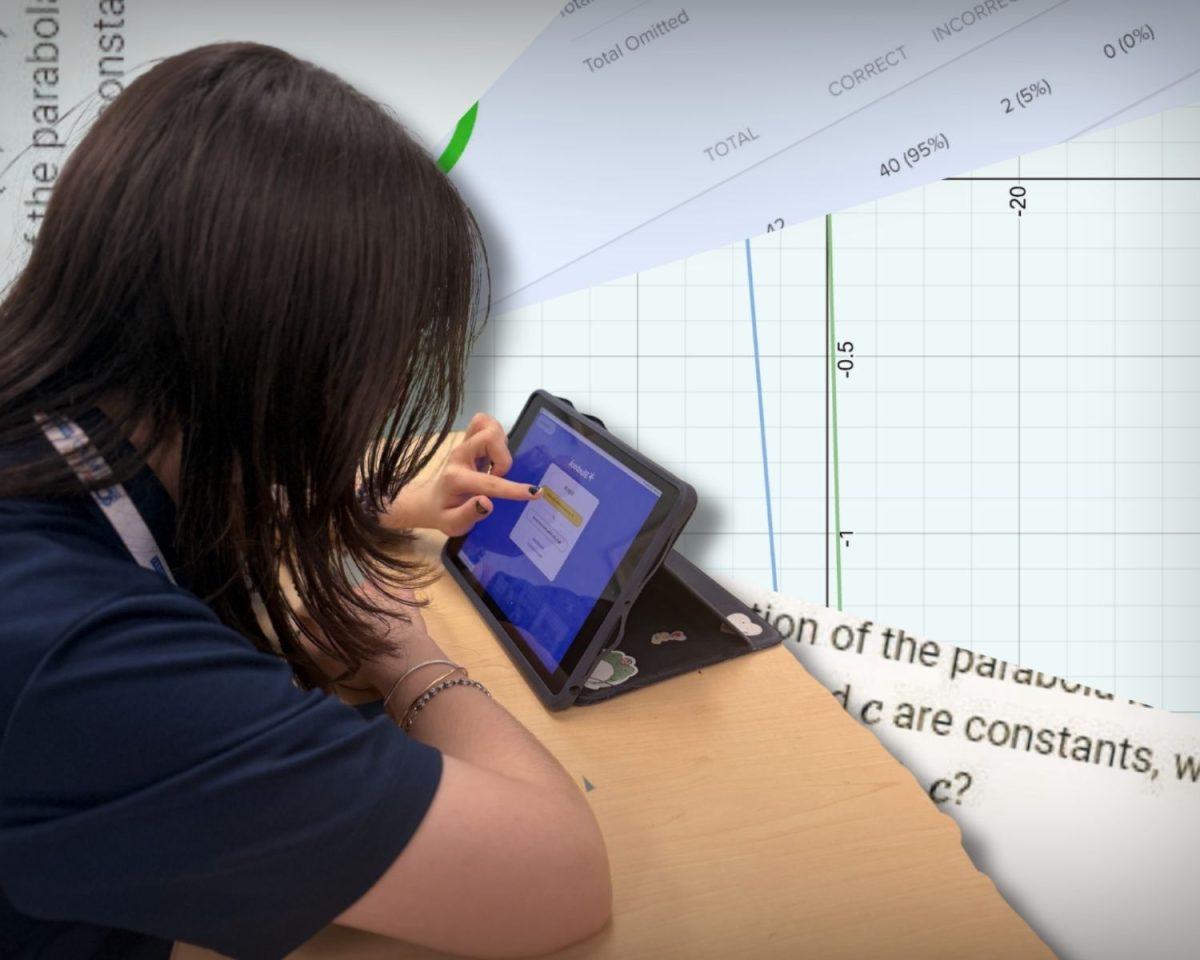
Technology has further changed how students prepare for exams. Digital flashcards, online practice quizzes and study platforms such as Quizlet have become increasingly common. Some educators argue that these tools are most effective when they encourage active engagement rather than passive review.
Researchers emphasize, though, that different subjects also play in a role in different study methods. For example, Memorizing vocabulary for Madame Francis’ french class may require repetition and recall, while subjects such as mathematics and chemistry often depend more heavily on repeated problem-solving practice.
As standardized testing and advanced coursework continue to increase academic pressure, researchers say understanding how memory works may help students study more efficiently. While there may not be a single perfect method for every learner, evidence suggests that active practice, repetition over time and healthy study habits remain among the most effective approaches. So what method will you choose?